
Isfahan's Hasht-Behest palace was completed on the third year of King Suleiman's reign. It is an example of the finest living palaces in the Safavi era. Mirza Mohammad Taher Nasrabadi, the owner of the Nasrabadi Tablet,
This palace was built in the early 11th century AH in the center of a garden. The Chehel-Sotoun palace was built with the goal of official welcoming for foreign guests and ambassadors, in three stages on the basis of an innovative design.
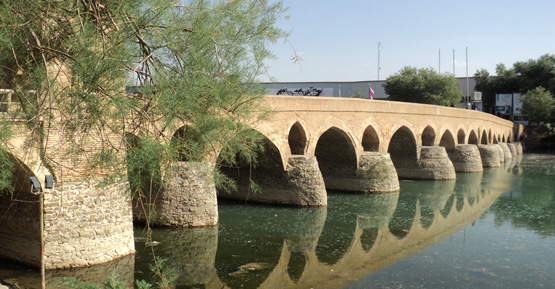
Marnan Bridge in Isfahan is located on Motahari Street between Felezi Bridge and Vahid Bridge. This traditional bridge in Isfahan is not far from Kianpour boutique hotel. This traditional house accommodation is in 6.1 km distance from Marnan Bridge. There are public transportations such as subway, cab, bus and so on.
Isfahan is a historical city with unique artistic architecture. There is a rich history in the center of Iran which is offering mystery to the public. By traveling through this beautiful city, you can take a look at alleys full of old textures, and even walk on its old and historical bridges such as the Marnan Bridge and the Sharsetan Bridge (Bridge of Jey).
Khajou Bridge is one of the historic bridges of Isfahan which is considered as the most beautiful bridge on the Zayandehrood River and in Isfahan. Walking on this bridge can create one of the most enjoyable moments for you.
In Isfahan throughout history, especially during the peak of Safavi era, beautiful and magnificent structures of Iranian architecture have been built, which are nowadays welcomed by domestic and foreign tourists. One of these magnificent monuments is the Choobi bridge of Isfahan.
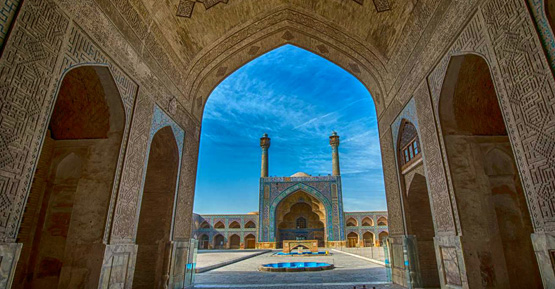
Recently, on the occasion of being included in the World Heritage List of Isfahan Jameh Mosque, many tourists chose Isfahan as their destination.